
Log in

Stories, perspectives, and practical guidance.
For every way you want to make a difference.

You don't always need your own 501(c)(3) to receive grant funding. Here's how to read eligibility rules, when fiscal sponsorship helps, and where to look.
Read the story →Find a perspective that moves your giving forward.

Fiscal sponsorship lets charitable projects accept tax-deductible donations without forming a nonprofit. Learn how it works, what it costs, and how to get started.
Read story →
Forming your own 501(c)(3) can take a year and cost thousands — and for a travel team of twelve kids, it's rarely the right first move. Here's the fourth option most coaches never hear about.
Read story →
Many well-funded, highly effective organizations never leave fiscal sponsorship. When you look closely at the tradeoffs, independence often adds more complexity than value.
Read story →
Eight things successful projects do next after getting approved for fiscal sponsorship — and why momentum matters more than perfection.
Read story →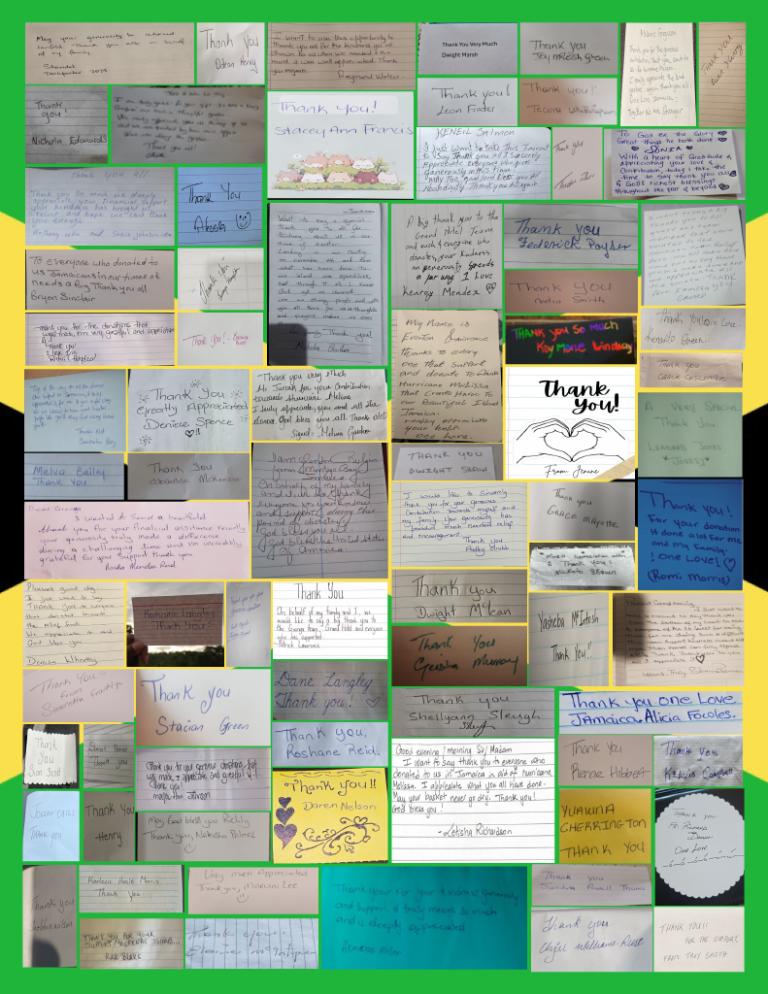
When Hurricane Melissa devastated Jamaica in October 2025, Grand Hotel needed to mobilize relief for affected employees immediately. Through fiscal sponsorship with Givinga Foundation, they launched the Together We Are Stronger Jamaican Relief Fund — raising over $150,000 from 116 donors and delivering funds directly to team members and their families.
Read story →
Choosing between a Donor-Advised Fund and a private foundation? There's a third option most people miss: fiscal sponsorship. This article breaks down all three structures — including Givinga Foundation's Charitable Foundation Account (CFA) — so you can find the right fit for your giving goals.
Read story →
Raising your first $100,000 can feel intimidating, especially if you don’t have wealthy donors, a famous name, or years of nonprofit experience.But here’s the truth most founders don’t hear often enough: you’re not behind. Nearly 70% of nonprofits operate on less than $100,000 per year, and more than half operate on far less. That means reaching your first $100K doesn’t make you small — it puts you ahead of the majority.
Read story →
Starting a charitable foundation used to mean navigating complex paperwork, compliance rules, and lengthy approval timelines. Today, technology has changed that. With digital tools and online fiscal sponsorship platforms, launching a charitable foundation is faster, simpler, and more transparent than ever before.
Read story →
Modern tools, online platforms, and foundation management services — such as the Givinga Foundation — have made it easier and more affordable than ever to formalize your giving through a process known as fiscal sponsorship.
Read story →Givinga Foundation is a 501(c)(3) public charity · EIN 47-4172718